

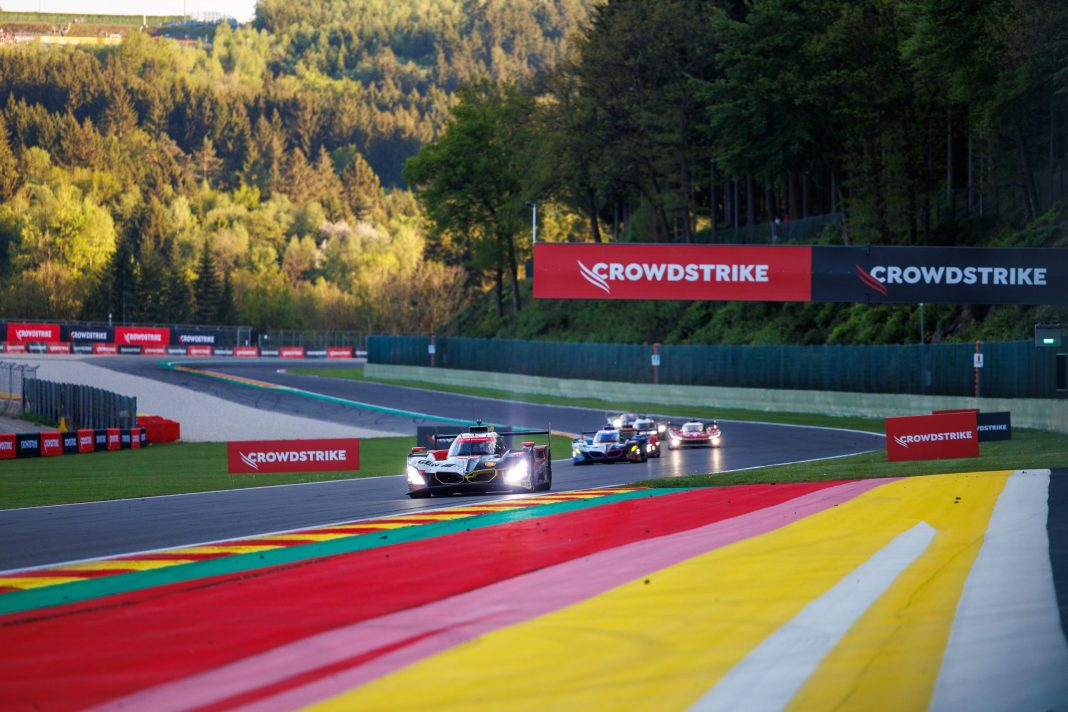

The 2026 TotalEnergies 6 Hours of Spa-Francorchamps didn’t just meet expectations—it shattered them. Under the shifting, moody skies of the Belgian Ardennes, the second round of the FIA World Endurance Championship delivered a tactical masterpiece that will be talked about for years. It was a weekend of redemption for BMW M Team WRT, strategic agony for Ferrari, and a dramatic reshuffling of the GT3 order that saw a winner decided not on the track, but in the stewards’ room. The atmosphere was electric as 101,000 fans packed the hillsides to witness the final major test before the centenary momentum of the sport carries the grid toward Le Mans.
Home Heroics and WRT’s Strategic Perfection
For the Belgian-based Team WRT, Spa is more than just a circuit; it’s a cathedral of speed where they are expected to perform at an elite level. In 2026, they did more than perform—they dominated by executing a plan that relied on both mechanical reliability and pit wall brilliance. While the Ferraris and Toyotas traded blows early in the race, the WRT engineers played a high-stakes game of tire and energy chess. By splitting their strategies during a mid-race Full Course Yellow, they ensured that the No. 20 BMW M Hybrid V8, driven by Sheldon van der Linde, René Rast, and Robin Frijns, could run in clean air. This allowed the car to maximize its incredible straight-line speed through the Kemmel Straight without the turbulence of traffic, effectively building a gap that would prove insurmountable.
The Hypercar Heavyweight Bout in the Final Hour
The final ninety minutes of the race were a breathless display of prototype racing at its finest, evolving into a four-way fight for the ages. As the sun began to dip behind the pines, four of the world’s most sophisticated racing machines were separated by less than six seconds, turning the endurance race into a frantic sprint. Dries Vanthoor, piloting the No. 15 BMW, became a human roadblock in the closing stages. Tasked with protecting his teammate’s lead, he withstood a relentless assault from the No. 50 Ferrari 499P. Antonio Fuoco threw everything at the Bavarians, lunging into La Source and shadowing the BMWs through the high-speed curves of Pouhon, but the German machines remained composed under immense pressure.
A Podium Decided by Inches and Grit
Just behind the leading trio, the No. 7 Toyota GR010 loomed large, waiting for the leading Europeans to make a mistake that never came. The battle for the final step of the podium was particularly fierce, as the second BMW of the WRT stable had to fend off both the works Ferrari and the charging Toyota simultaneously. When the checkered flag finally fell, the sight of two BMW M Hybrid V8s crossing the line in formation marked the manufacturer’s first 1-2 finish in the Hypercar era. This result signaled to the rest of the paddock that the “Power of M” is back at the pinnacle of endurance racing, ending a long drought for the brand in top-tier competition.
LMGT3 Drama and the Sting of the Stewards
If the Hypercar race was a display of tactical precision, the LMGT3 category provided a lesson in the cruelty of modern racing regulations. The No. 21 AF Corse Ferrari 296 GT3 had driven what many considered a perfect race under difficult conditions. Alessio Rovera’s final stint was a masterclass in defensive driving, holding off a swarm of McLarens and Astons to cross the line first in front of a cheering Tifosi contingent. However, the celebrations in the Ferrari garage were cut short when the stewards announced a five-second time penalty for an unsafe release during the final round of pit stops. In a class where the top five cars were separated by mere seconds, the penalty was catastrophic, stripping the Italian team of a hard-earned trophy.
McLaren Inheritance and Aston Martin’s Rise
The primary beneficiaries of Ferrari’s pit lane error were the crew of Garage 59. The No. 10 McLaren 720S GT3 Evo, which had been hounding the Ferrari’s exhaust all afternoon, inherited the victory through sheer persistence and a mistake-free performance by Antares Au, Tom Fleming, and Marvin Kirchhöfer. This win marked a significant milestone for McLaren in the WEC, proving the 720S platform is a legitimate championship contender. Not far behind, the No. 27 Heart of Racing Aston Martin Vantage moved up to second place, rewarding the team for their consistent pace and savvy tire management throughout the fluctuating track temperatures. Ferrari’s relegation to fourth place left the team searching for answers but also highlighted the razor-thin margins of the current GT3 field.
Engineering Excellence and the Road to Le Mans
The high-speed nature of Spa-Francorchamps provided crucial data for the teams heading into the summer months. The BMW M Hybrid V8 looked remarkably stable through the high-compression sectors of Eau Rouge and Raidillon, suggesting their Le Mans aero-kit is the most refined on the grid. Meanwhile, despite the penalty, Ferrari’s 499P showed superior tire longevity in the final stints, a trait that will be vital for the triple and quadruple stints expected at the 24 Hours of Le Mans. With Toyota no longer the undisputed king and BMW holding the momentum of a historic 1-2 finish, the script for the world’s greatest race has been completely rewritten. As the paddock departs the Belgian hills, it is clear that the gap between glory and heartbreak is now measured in seconds, or even in the sharp eyes of a pit lane steward.